|
Harriet Beecher Stowe's
|
||||
|
|
||||
|
|
||||
|
|
||||
|
|
||||
|
|
||||
|
|
||||
|
|
||||
|
|
||||
|
|
||||
|
Uncle Tom's Cabin or Life Among the
Lowly is an anti-slavery
novel by
American
author
Harriet
Beecher Stowe. Published in
1852, the novel had a profound effect on attitudes toward
African
Americans and slavery in
the United States, so much so in the latter case that the novel
intensified the
sectional
conflict leading to the
American Civil
War
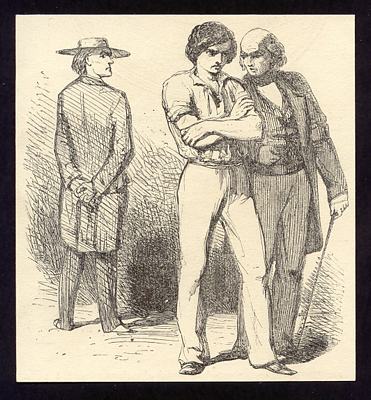
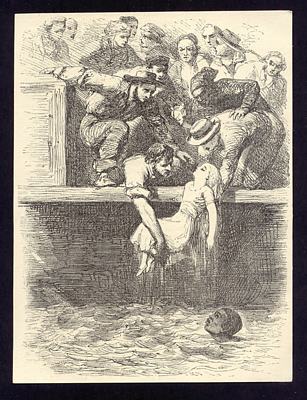
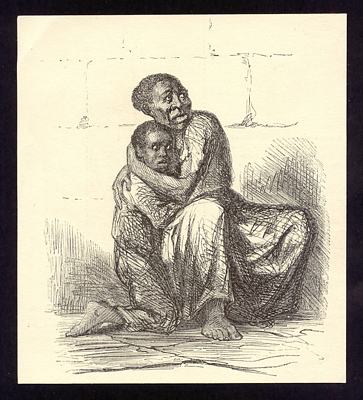
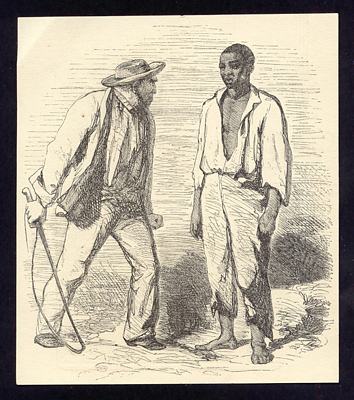
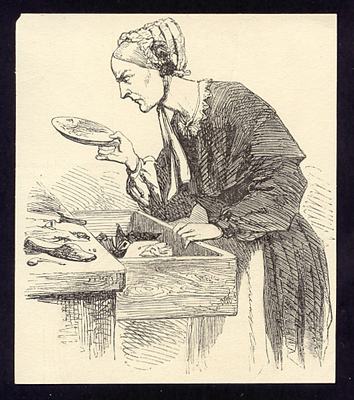
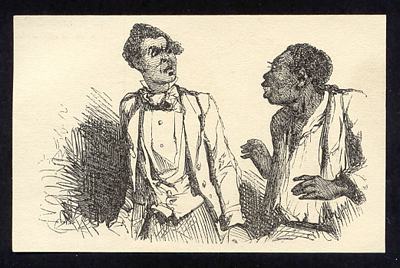
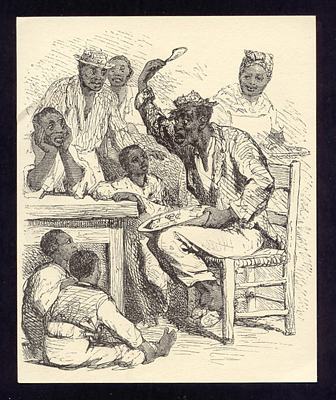
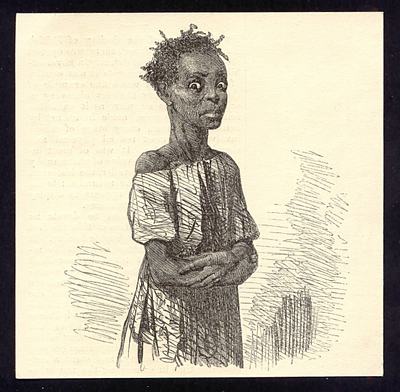
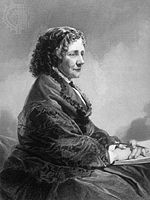
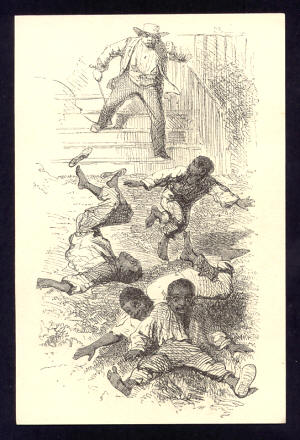
Stowe, a Connecticut-born teacher at the Hartford Female Academy and an active abolitionist, focused the novel on the character of Uncle Tom, a long-suffering Black slave around whom the stories of other characters - both fellow slaves and slave owners - revolve. The sentimental novel depicts the cruel reality of slavery while also asserting that Christian love can overcome something as destructive as enslavement of fellow human beings Uncle Tom's Cabin was the best-selling novel of the 19th century (and the second best-selling book of that century, following the Bible) and is credited with helping fuel the abolitionist cause in the 1850s. In the first year after it was published, 300,000 copies of the book were sold in the United States alone. The book's impact was so great that when Abraham Lincoln met Stowe at the start of the American Civil War, Lincoln is often quoted as having declared, "So this is the little lady who made this big war." The book, and even more the plays it inspired, also helped create a number of stereotypes about Blacks, many of which endure to this day. These include the affectionate, dark-skinned mammy; the Pickaninny stereotype of black children; and the Uncle Tom, or dutiful, long-suffering servant faithful to his white master or mistress. In recent years, the negative associations with Uncle Tom's Cabin have, to an extent, overshadowed the historical impact of the book as a "vital antislavery tool. Illustrations of Uncle Tom's Cabin; or, Life Among the Lowly, by Harriet Beecher Stowe: New Edition, with Illustrations (Boston: Houghton, Mifflin and Company; The Riverside Press, Cambridge, 1888). [Originally published in England in 1853, in Uncle Tom's Cabin; or, Life Among the Lowly: A Tale of Slave Life in America. With above One Hundred Fifty Illustrations by George Thomas, Esq., and T. R. Macquoid, Esq., and Engraved by William Thomas, Esq. (London: Nathaniel Cooke, 1853).] Houghton Mifflin, which became Stowe's publishers after the collapse of Jewett & Co., brought out a new authorized edition in 1888, in part because their copyright was about to expire. Although no acknowledgment or credit is given, their edition's 105 illustrations were over thirty years old, having originally been published in 1853 in one of the many pirated English reprintings of Stowe's novel: Uncle Tom's Cabin; or Life Among the Lowly: A Tale of Slave Life in America.Houghton Mifflin used all of Thomas and Macquoid's 105 "real" illustrations, but left out the designs for the first letter of each chapter and a few purely decorative chapter tail pieces. Consistent with the patterns of British representation, in these drawings Tom remains the virile man Stowe's text describes, but it's perhaps surprising how few illustrations of him there are. There is, for example, no depiction of him being beaten, and most of the violence that is illustrated is white on white. Uncle Tom's Cabin; or, Life Among the Lowly, By Harriet Beecher Stowe. A New Edition, With Illustrations, and a Bibliography of the Work by George Bullen, Together with an Introductory Account of the Work. Boston: Houghton, Mifflin and Company, 1888
Shown are original woodcut illustrations from the
1888 edition.
|
||||
|
For additional information please contact the gallery by email Imagi Gallery |
||||
|
|